गौ सम्मान — आह्वान अभियान
Global Movement for Cow Preservation

Respect and Dignity for the

Sacred Vedic Cow

India's indigenous cows are being slaughtered into extinction. Gau Samman is the national movement demanding a legal end to their slaughter — and the restoration of the cow economy that sustains India's soil, water, and health.
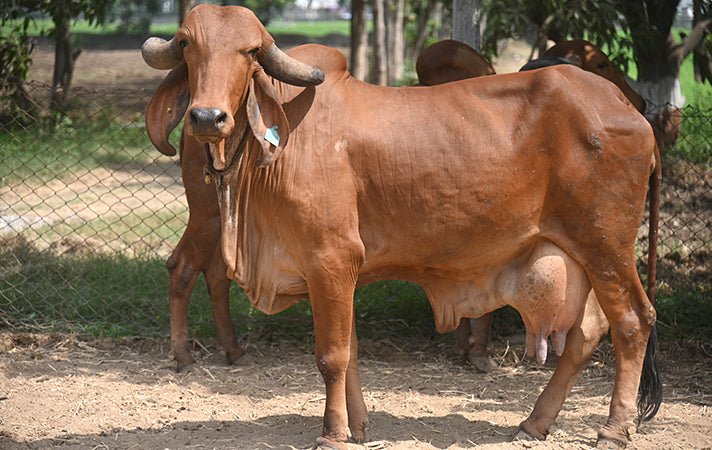
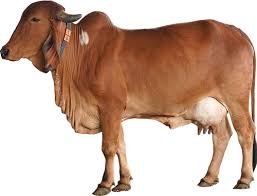
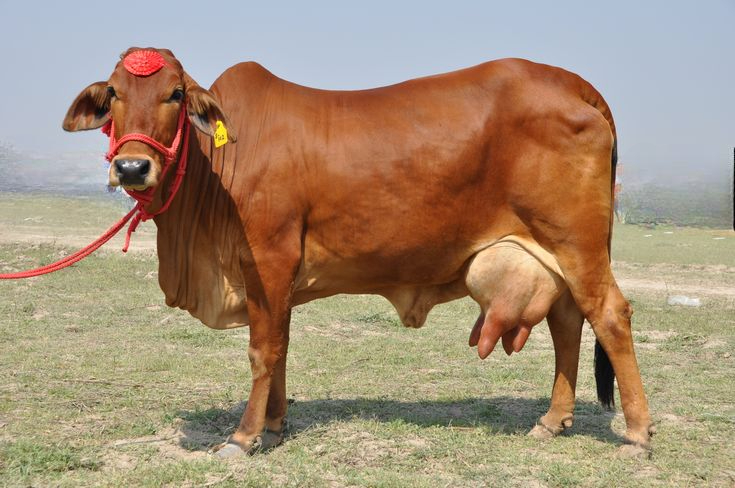
Gir — Indigenous Cattle Breed, Gujarat
4.5M+
Citizens Joined
28
States Reached
50+
Indigenous Breeds
₹2.4T
Economic Potential
🛑 Stop the Slaughter — Petition:
4.5M / 10M
Add Your Name →

Rooted in Respect. Driven by Purpose.

Gau Samman is a national institution for the preservation, protection, and promotion of indigenous Indian cows. We are evidence-based, mission-driven, and working at the intersection of ecology, economy, agriculture, and culture.

We believe that the preservation of the Vedic cow is not merely a cultural act — it is an economic imperative, an ecological necessity, and a foundation for regenerative rural development across India and the world.

🌿
Preserve
Protect indigenous breeds from extinction and slaughter
Over 20 million indigenous cows are slaughtered annually in India. Gau Samman works with goshalas, breeders, and policymakers to create enforceable legal protection for all ICAR-NBAGR registered indigenous breeds.
📖
Educate
Share science-backed knowledge about cow stewardship
From A2 beta-casein milk evidence to ICAR research on Panchagavya biofertilizer, we translate complex science into accessible knowledge for farmers, families, and policymakers.
♻️
Sustain
Build circular rural economies through cattle
A single indigenous cow generates dairy income, Panchagavya fertilizer worth ₹40,000–80,000 per hectare, and biogas for 3–5 households — for 15–20 years.
Mobilize
Engage 10 million citizens in meaningful action
With 4.5 million petition signatories across 28 states, Gau Samman is India's largest civic movement. We train community ambassadors and translate every signature into direct pressure on legislators.
🔬
Research
Produce evidence-based policy insights
We partner with veterinary universities and agricultural institutes to build the evidentiary case for a slaughter ban. Our policy briefs give lawmakers the data they need to act.
🤝
Connect
Link farmers, researchers, and communities
The fight to end indigenous cow slaughter requires a coalition — goshalas, organic farmers, A2 dairy entrepreneurs, Ayurvedic practitioners, researchers, and citizens.

Gau Samman Aahvan Abhiyan

Phased Campaign Roadmap — December 2025 onwards

Phase 1December 2025 – April 2026

Awareness & Outreach

Intensive outreach across 28 states, 8 Union Territories, 780 districts, and 5,000 talukas over 5 months.

📋 December 2025 – April 2026

1,000 devotees from each taluka area to submit petition letters to the Tehsildar or SDM — addressed to the President, Prime Minister, Governor, and Chief Minister.

Phase 2May – July 2026

District Level

3 months of continued dialogue with government. If no favourable response from State or Central Government:

📋 May – July 2026

5,000 devotees from each district to march to their District Headquarters and submit petition letters to the District Collector — addressed to the President, Prime Minister, Governor, and Chief Minister.

Phase 3August – October 2026

State Level

3 months (August, September, October) of continued dialogue. If no favourable response from State or Central Government:

📋 August – October 2026

Saints and devotees from all districts travel to their State Capital to submit petition letters to the Governor and Chief Minister — addressed to the President and Prime Minister.

Phase 4November 2026 – February 2027

National Level

3 months of continued dialogue. If no positive address from the Red Fort, all 5,000 talukas and 780 districts mobilise maximum participation:

📋 November 2026 – February 2027

Peaceful Sankirtan march to Delhi — continuous prayer and petition letters to the Central Government for Gau Mata's service, protection, and honour. Continuing until 15 August 2027.

Phase 527 February – 15 August 2027

Sankirtan & Fast Unto Death

Rotating Sankirtan — devotees from each district taking 7-day turns. If, after 5½ months, the Central Government still provides no satisfactory response:

📋 27 February – 15 August 2027

5 devotees begin a fast unto death. As each devotee gives their life for Gau Mata, another takes their place. This continues until Gau Mata receives service, protection, and honour.

Sankalp — Our Resolution

The movement of prayer for Gau Seva, Gau Suraksha, and Gau Samman will continue until Gau Mata receives service, protection, and honour.

Media Centre

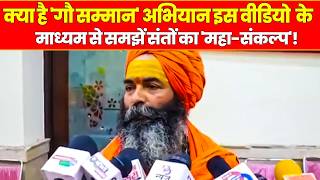
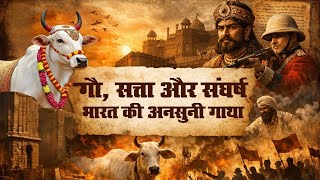
Stories in Motion

Documentaries on the slaughter crisis, community stories of preservation, and the economic case for keeping indigenous cows alive.
Global Impact

A Movement Measured in Numbers

4.5M+
Petition Signatories
28
Indian States Active
142
Partner Goshalas
48
Research Partners
24
Countries Reached

Real Stories, Real Impact

Every cow slaughtered is a living pharmacy destroyed. The A2 milk, the Panchagavya, the dung — these sustain entire ecosystems. We are not just killing an animal. We are killing a civilisation's life support.

R
Dr. Rajesh Mishra
Ayurvedic Physician & Researcher, Varanasi

Cow slaughter is the single greatest act of ecological self-destruction India has committed. One indigenous cow's manure sustains 5 acres of soil. Its absence forces chemical fertilizers that poison our groundwater for generations.

S
Prof. Sudha Krishnaswamy
Soil Ecologist, Indian Agricultural Research Institute

We have documented a direct correlation between the decline of indigenous cattle and the rise of farmer suicide belts in India. Remove the cow from the rural economy and you remove the only self-sustaining input system farmers had.

A
Dr. Arvind Sharma
Rural Economist, IIM Ahmedabad

The BCM-7 peptide in A1 milk from foreign breeds has been linked to Type-1 diabetes, autism spectrum disorders, and cardiovascular disease. We are feeding our children A1 milk because we slaughtered the A2-producing indigenous cow.

M
Dr. Meenakshi Iyer
Clinical Nutritionist, Apollo Hospitals

Gir cow genetics are now used in 80% of Brazil's cattle industry. India exported its most valuable agricultural asset — then slaughtered the remaining herd. We are now importing from the country we taught.'

K
Krishnamurthy Rao
Agricultural Policy Analyst, New Delhi

Our goshala shelters 240 abandoned cows. Each one's dung we convert to biofertilizer and biogas. We earn ₹18 lakh annually from what was going to slaughter. The economic value alive is infinite. Dead, it is nothing.

M
Meera Devi
Goshala Manager, Bikaner, Rajasthan

I switched from chemical to Panchagavya farming three years ago. My input cost dropped from ₹60,000 to ₹8,000 per acre. My soil is alive again. The cow I almost sold for slaughter is now the foundation of every crop I grow.

G
Gurpreet Singh
Panchagavya Farmer, Amritsar, Punjab

The Punganur is down to fewer than 2,000 individuals. The Vechur to fewer than 3,000. These are not just cattle breeds — they are living genetic archives of thousands of years of adaptation to Indian soil and climate.

V
Dr. V. Balasubramanian
Veterinary Geneticist, Tamil Nadu Agricultural University

This movement is not anti-government. It is pro-cow. Pro-farmer. Pro-India. We are asking the government to protect what belongs to every Indian — the indigenous cow that has sustained this civilisation from its beginning.

S
Swami Gyaneshwar Das
Gau Sevak, Vrindavan, Uttar Pradesh

As a nutritionist, I see patients daily who switched to A2 milk and report reduced inflammation, better digestion, and improvement in autoimmune conditions. The indigenous cow is not a religious symbol. It is a health system.

P
Dr. Priya Nambiar
Functional Nutritionist, Kochi, Kerala

Supported by Research Partners & Goshala Networks

ICAR — Indian Council of Agricultural Research
NBAGR — National Bureau of Animal Genetic Resources
Rashtriya Gokul Mission
Animal Welfare Board of India
Tamil Nadu Agricultural University
Kerala Agricultural University

Join the Gau Samman Community

Get movement updates, breed stories, farming knowledge, and policy alerts. Hindi, Bengali, and English. Unsubscribe any time.

No spam. Unsubscribe anytime. Your data is never sold.